IceGrid Outfitters — modular ice fishing gear, safety-first routines and real ice navigation guides

Night ice, mapped and measured

Turn scattered winter gear into a calm, glowing ice grid

IceGrid Outfitters lays out shelters, augers, heaters and sonar on a clear, glowing map of the ice. Every module has its place: where you drill, where you wait, where you safely move when light drops and wind turns.

Active ice grids 54
Safe lane checklists 112
Night trip reports 697
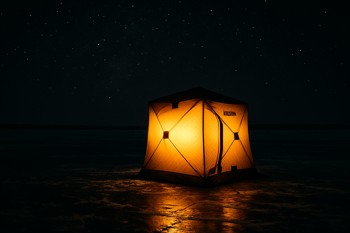
Low ice fishing shelter glowing with warm light on dark blue lake ice at night
Shelter cell anchored on a measured ice square
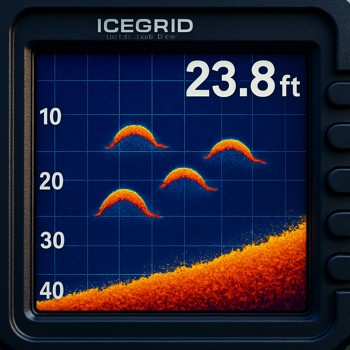
Portable ice fishing sonar showing bright cyan arches and depth grid lines
Sonar slice of the grid, from hole to bottom
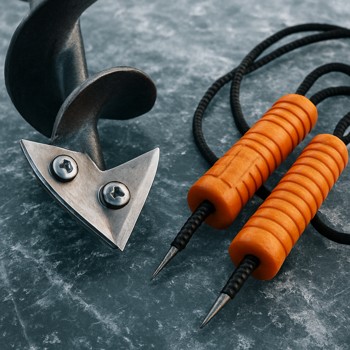
Blue ice auger and orange safety picks resting on drilled night ice
Drill, picks and rope staged in one lane

Grid lanes

Three lanes to read your ice at a glance

Choose how you move: light solo scan, quiet family bubble or deep-cold push with a strict exit hour.

Lane A Solo scan

Solo scan lane

Light pack, fast holes, early turn-around and one clean exit line to shore.
Single angler pulling a compact sled with shelter and auger along a marked night ice lane
One person, one rail, one clear exit.
Lane B Family bubble

Family bubble lane

Short walk, wide shelter footprint, extra exits drawn and gear stacked close to home.
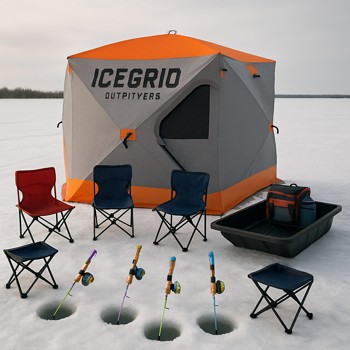
Family-sized ice shelter with sled and buckets arranged on a softly lit grid on the ice
Comfort cell with marked return arrows.
Lane C Deep cold

Deep-cold lane

Heavier sled, sonar, backup heater and a hard stop time set before the first hole.
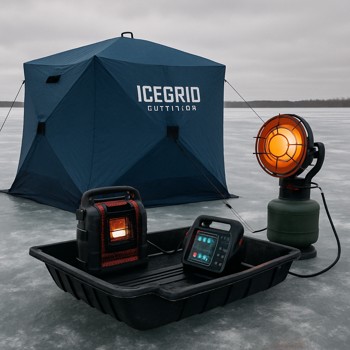
Loaded ice fishing sled on dark blue ice with extra heater and sonar packed along a glowing track
Extra modules, same clear grid logic.

Ice-first steps

Three checks before the first hole

A short, repeatable path that turns every trip into the same calm routine.

01

Measure in three spots

Drill test holes near shore, mid-lane and at the planned shelter cell.
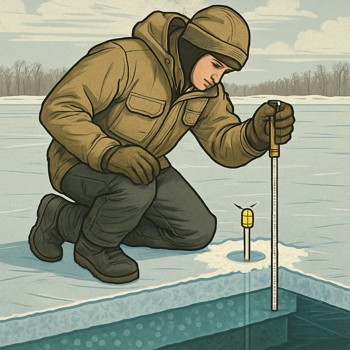
Angler measuring drilled ice thickness with a gauge on a dark night grid
02

Draw a return line

Mark a clean line of reflectors or light sticks back to shore.
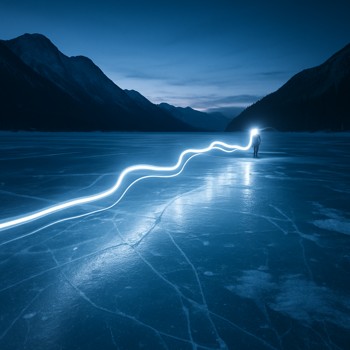
Curved line of light on black ice from a headlamp marking a safe path
03

Confirm exit pockets

Keep one spare cell empty on the grid as a fast move-out zone.
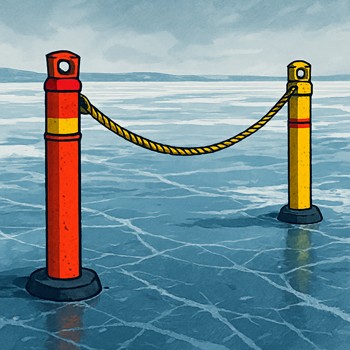
Safety rope and small posts staged on dark ice beside a drilled lane

Modules

Drop small modules into any grid cell

Each module is a tiny, complete system: shelter, heat and tackle slots that snap onto your ice map.

Shelter cell

Warm bubble

Low shelter, tight guy-lines and sled pulled cross-wind, not along it.
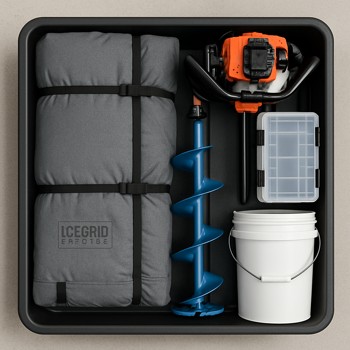
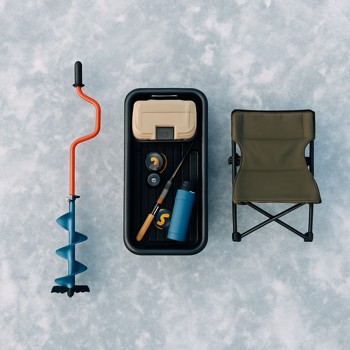
Top view of an ice sled with shelter and gear arranged in neat grid slots
Heat cell

Safe heater pocket

Stable surface, clear radius and backup fuel far from wet layers.
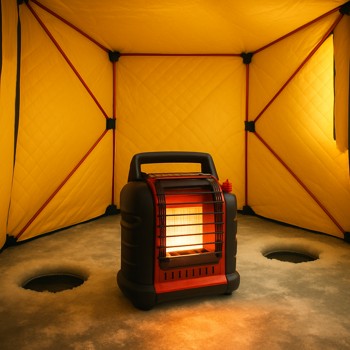
Compact propane heater glowing inside a small ice shelter with clear safety space
Tackle cell

Grid tackle box

Lures, leaders and spare line arranged by depth and light level.
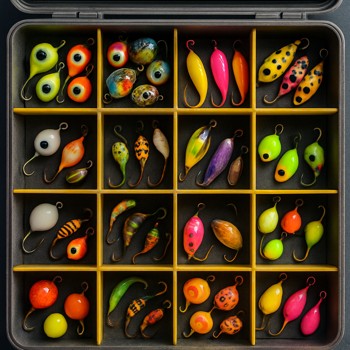
Open tackle box with lures sorted in a neat grid under a cool cyan light

Ready-made lanes

Kits that already know which lane they belong to

Pick a lane and drop in a kit that was packed around that exact way of moving on the ice.
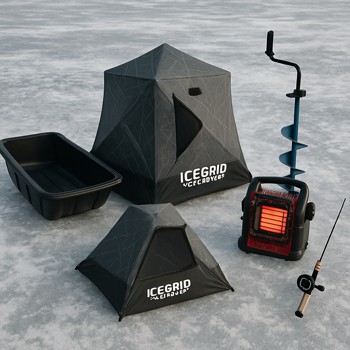
Compact ice fishing sled with small shelter and auger strapped for a solo night outing
Solo kit A-1
Wide sled with family-sized shelter, buckets and packed heater on dark night ice
Family kit B-3
Heavy night sled with extra fuel, sonar and second heater strapped down
Deep-cold kit C-5
Lane A Solo scan kit
Light shelter One heater Two rods
Lane B Family bubble kit
Wide shelter Extra seats Dry layer cube
Lane C Deep-cold kit
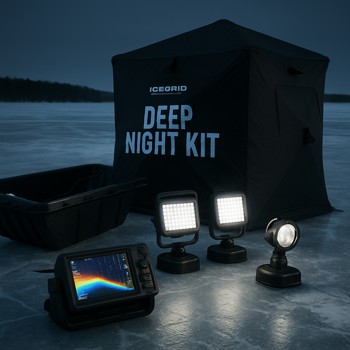
Backup heater Sonar cell Hard stop time

Sled map

One sled, four rings of control

View your sled from above as a small, glowing map instead of a messy pile of gear.

Sled core Weight, heat, tools

Front arc

Headlamp, picks and rope where your hands reach first.
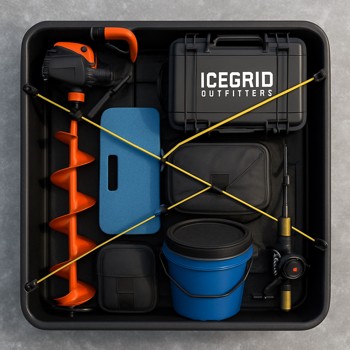
Top view of a packed ice sled with gear in clear zones at the front

Left rail

Fuel and heater off to the side, away from wet floor.
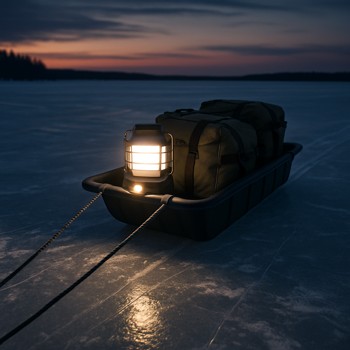
Small lantern and fuel can staged on the left side of a night sled

Back pocket

Spare clothes and dry socks in a sealed cube at the back.
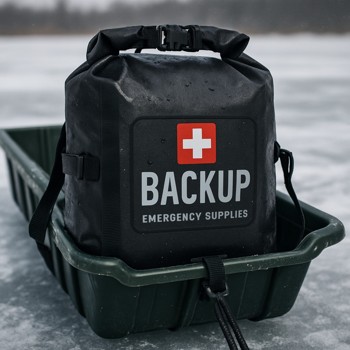
Dry bag strapped at the back of an ice sled under cool blue light

Night essentials

Tiny items that decide how the night feels

Add a few small pieces and the same frozen lane turns from stressful to quietly manageable.

Spare light cell

A backup headlamp with fresh batteries, not somewhere in a random pocket.

Heat in a cup

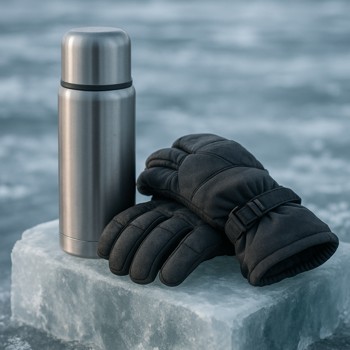
Thermos and small snacks kept dry and close to the door.

Dry hand pocket

One sealed bundle of spare gloves and thin liner socks.
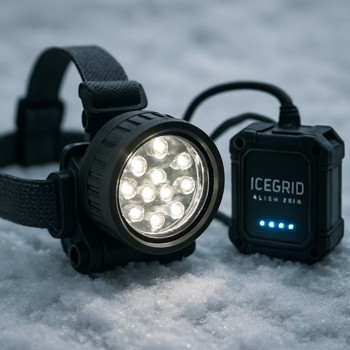
Headlamp and spare battery pack resting on the dark ice beside a drilled hole
Thermos and gloves on a low sled bench lit by warm shelter light

Sonar slices

Three slices of ice under your grid

Read shallow, mid and deep water as simple glowing strips, not noise.
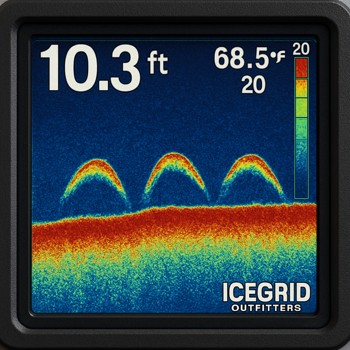
Shallow grid 0–3 m
Sonar screen with shallow cyan arches just under the ice line

Fast panfish passes and light rigs you can move in minutes.
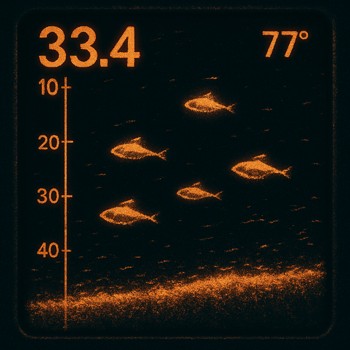
Mid column 3–8 m
Sonar view with clear bait line and mid-depth fish marks at night

Mark where your bait lives and keep rest of the screen calm.
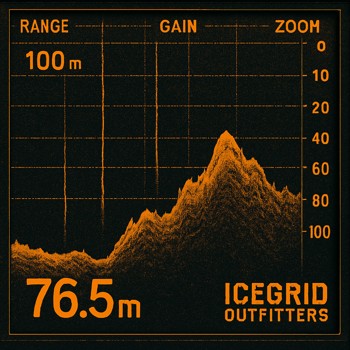
Deep blue 8 m+
Zoomed sonar screen with deep arches and bright depth grid lines

Slow moves, heavy jigs and a strict exit time written down.

Night checklist

One board for packing and for coming back

The same short list you tick in a warm kitchen and again on the cold ice.

Exit first

Draw a clear route line and set your latest return hour.

Dry layer cell

Pack a full dry layer in one sealed cube, not across bags.

Picks on the outside

Place ice picks where your hands grab them without thinking.
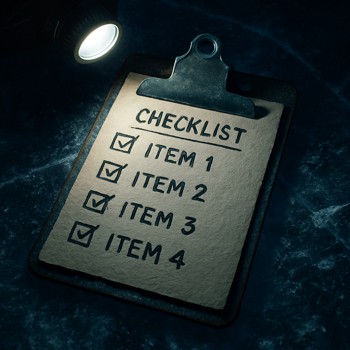
Clipboard with handwritten ice safety checklist resting on a dark sled
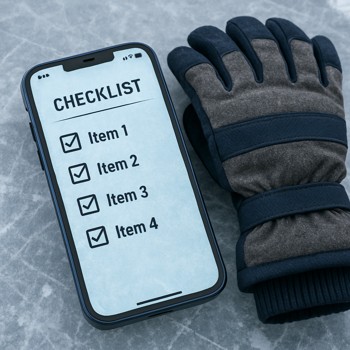
Gloved hand holding a phone with a short night ice checklist on screen

Trip snapshots

Short reports you can read in one breath

Not long stories, just small frozen frames that show how the grid felt that night.
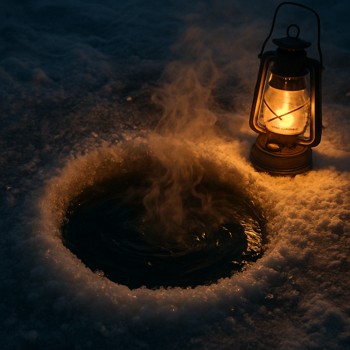
Lane A Evening
Lantern beside a steaming hole on dark blue ice at night

Steam above the grid

Light solo lane, three holes, one quick move when wind turned. Back early, warm and dry.
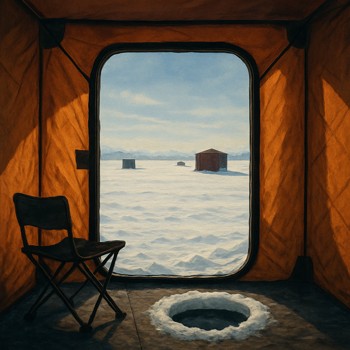
Lane B Twilight
Open shelter door with warm light spilling onto dark ice

Door as a beacon

Short family lane, kids inside shelter, exit line glowing back to shore.

Thickness grid

One glance at how safe your square is

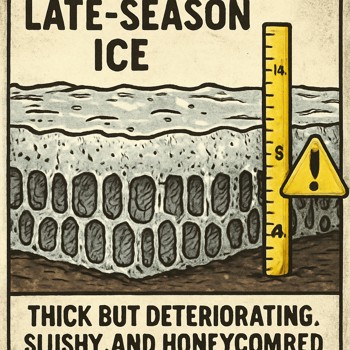
A simple banded map that turns numbers into clear yes, no or only with extra care.
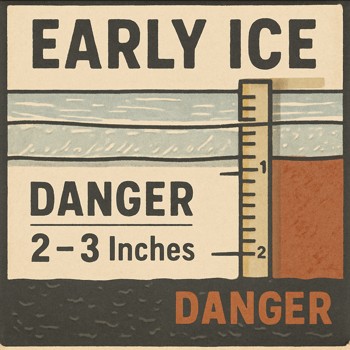
Under 7 cm
No foot travel, no exceptions, no arguments with the tape.
7–12 cm
Light walk, test holes often, keep pack small and close to shore.
12–20 cm
Normal night kits, marked lanes, no racing or cutting corners.
20 cm+
Heavier sleds and larger shelters, but the same exit routine.
Angler checking early-season ice thickness with a measuring stick at the edge
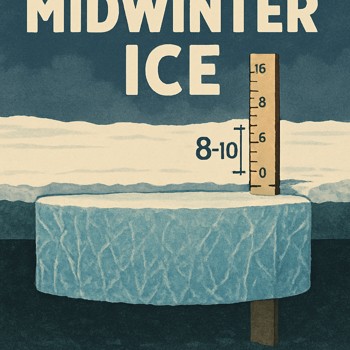
Clean midwinter ice with drilled holes and a clear thickness mark on a gauge
Late-season ice with wet patches and caution flag marking the edge

Common mistakes

Things that break the calm on the ice

A short strip of habits that turn a clear grid back into chaos.

Rushing on thin numbers

Stepping out because holes “look fine” instead of trusting the gauge.

Overloading the sled

Stacking comfort modules until your lane no longer matches the thickness.

Skipping a return check

Staying because fish are biting while the shoreline is quietly changing.
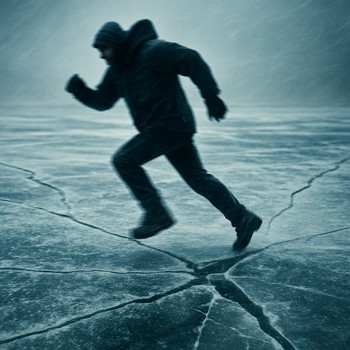
Person walking quickly on thin, cracked ice near the shore at dusk
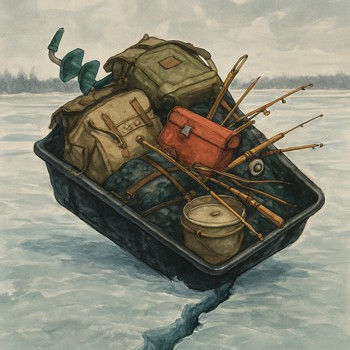
Heavily loaded sled parked near a visible crack in the ice

Community calls

Short signals that keep everyone on the same map

Quick notes, photos and “turn back” messages shared before somebody else makes the same mistake.
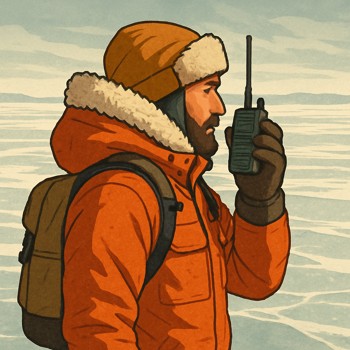
Angler using a small radio on open night ice near a shelter

Voice call

“Lane B exit is slushy. Switch to A and keep loads small.”
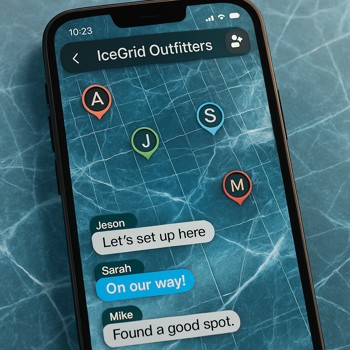
Phone chat with a shared night ice map and marked safe lanes

Group map

Marked cracks and open pockets so the next team can plan around them.
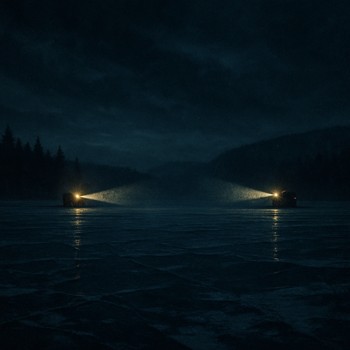
Headlamp beam used as a short signal across dark lake ice

Light signal

Simple flashes agreed before dark, so nobody guesses what they mean.

Grid-ready bundles

Shelters, tools and sonar that click into place

When you choose a bundle, you are not just buying gear. You are choosing how that gear will sit on your grid and how calm the night will feel.
Shelter cells

Low-profile tents that stay quiet in cross-wind and leave room for exits.

Drill lanes

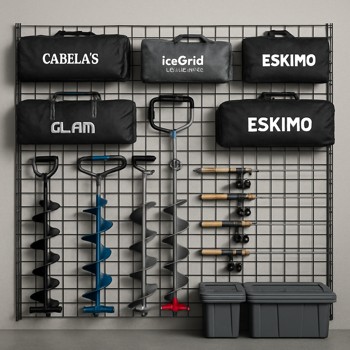
Augers, spud bars and hole sleeves matched to your lane and expected ice.

Sonar slices

Simple screens that highlight the few lines that matter in the dark.

Safety modules

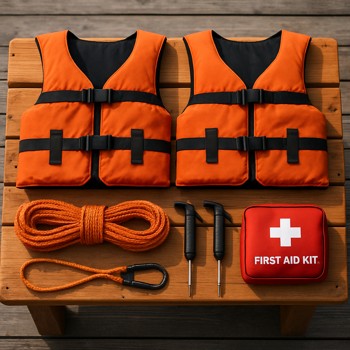
Picks, throw ropes and reflectors that never hide under other gear.

Wall with ice shelters, augers and sleds hanging in a clean grid
Bench with neatly sorted safety picks, ropes and reflectors under cool light

Choose your next square on the grid

Stay on this page to feel how the grid works, then move deeper: build a full kit layout or walk through longer safety guides before your first real night.

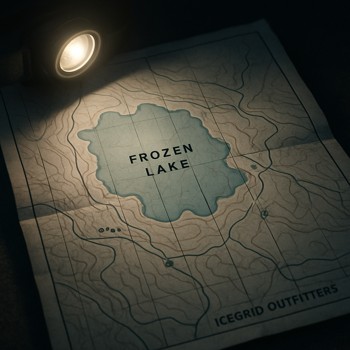
Folded grid map and headlamp resting on a sled ready for a night ice route